Looking for a Rivertowns village that feels creative, connected, and genuinely livable? Hastings-on-Hudson stands out for exactly that reason. If you are trying to decide whether this Hudson River community fits your lifestyle, this guide will help you understand how the village feels day to day, what its housing stock looks like, and which practical details matter most before you buy. Let’s dive in.
Why Hastings-on-Hudson Stands Out
Hastings-on-Hudson is a compact village in Westchester County along the Hudson River, in the southwest part of Greenburgh. It is bordered by the Hudson River on the west and the Saw Mill River on the east, which helps shape both its scenery and its topography. The Census Bureau estimates the population at 8,440 as of July 1, 2025.
What gives Hastings a distinct identity is its strong arts and community presence. The Village Arts Commission promotes public art, Upstream Gallery on Main Street is artist-owned, and the Newington-Cropsey Foundation preserves Jasper Cropsey’s home and gallery. The public library also plays an important role as a community gathering place, which adds to the village’s close-knit feel.
Hastings Housing Character
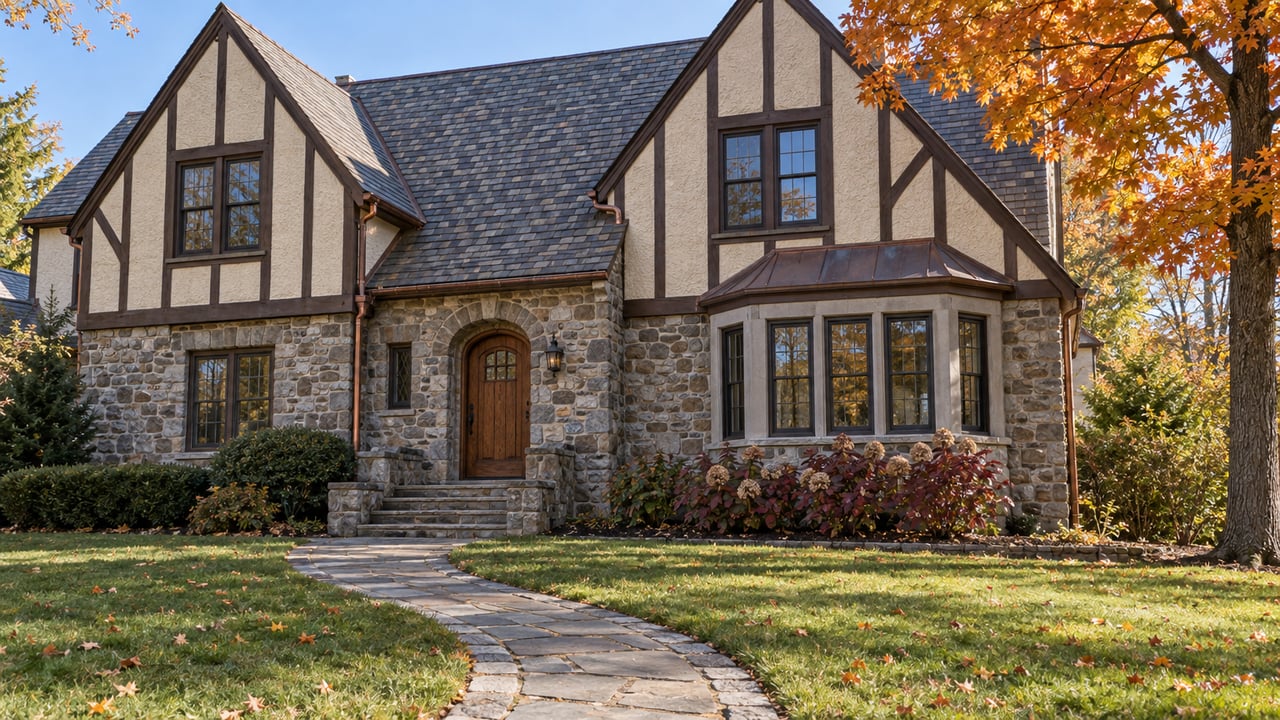
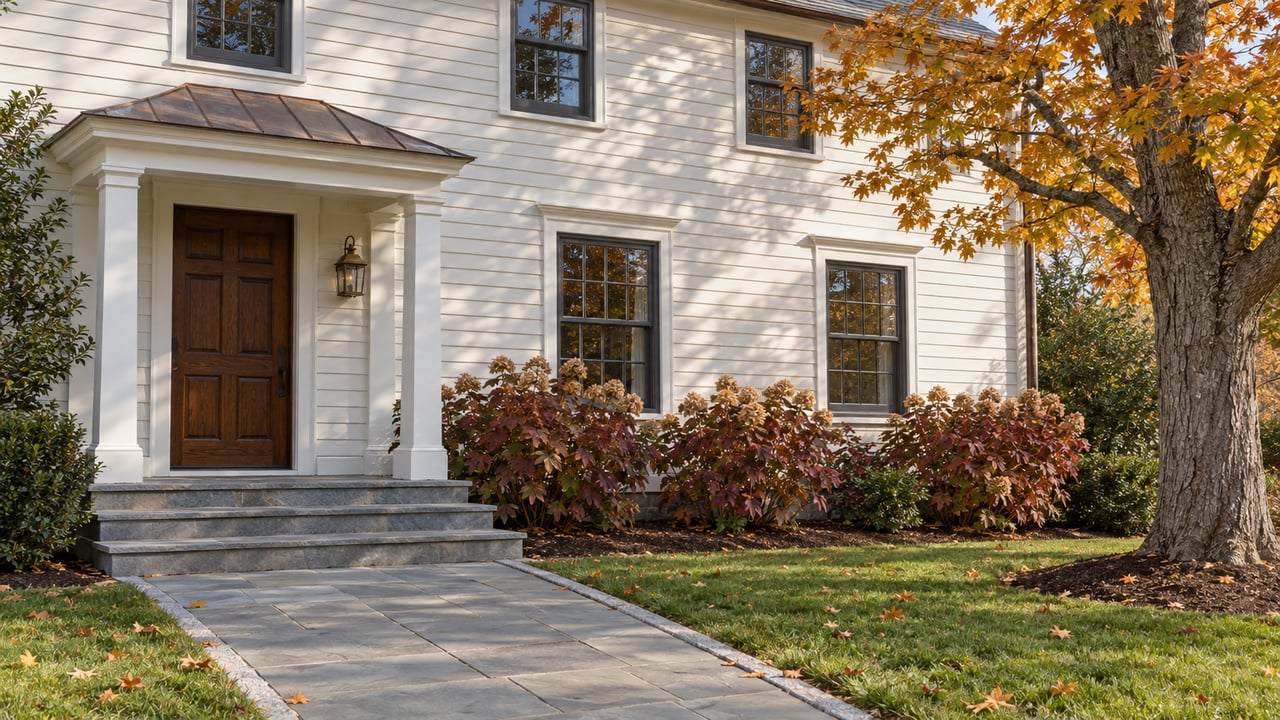
Hastings is largely an existing-home market, not a new-construction market. Village materials about accessory dwelling units note that there is not much new construction being built, so buyers are often looking at older homes and an established streetscape rather than brand-new inventory. That older housing stock is part of the village’s appeal, but it also means each property can come with its own quirks and approvals.
The built environment reflects Hastings’ history as a quarry and river-industrial town. Historic properties highlighted by the village include the Cropsey House and Studio, the Hastings Prototype House, and the John William Draper House. If you value architectural character and a sense of place, this is one of the village’s defining strengths.
From a market standpoint, Hastings is owner-heavy and relatively expensive. Village data shows 79.8% owner occupancy, a median owner value of $865,200, median gross rent of $1,877, median household income of $193,621, and 73.6% of adults holding a bachelor’s degree or higher. For buyers, that points to a market where demand for established homes and location-driven value tends to be meaningful.
How to Think About the Village
Hastings is often easier to understand by corridor than by strict neighborhood name. These are not formal official neighborhoods, but they are useful ways to compare walkability, terrain, and home-setting tradeoffs.
Downtown Core
The downtown core includes Main Street, Maple Avenue, Warburton Avenue, Southside Avenue, and the blocks around the train station. This is the village’s most walkable commercial area, with shops, services, and parking that support an active street life. If being close to errands, cafes, and the station matters to you, this is often the most convenient part of Hastings to explore.
The village’s shop-local program and downtown parking structure reinforce that everyday rhythm. You can expect a setting where daily needs and casual outings are often handled on foot. For many buyers, that walkable pattern is a major part of Hastings’ appeal.
Riverfront and Quarry Corridor
The riverfront and Quarry corridor includes River Street, MacEachron Waterfront Park, Quarry Park, and the broader waterfront planning area. This part of the village emphasizes public enjoyment of the waterfront and access to open space. If Hudson views, trails, and river proximity are high on your list, this area deserves close attention.
The Quarry Trail connects the waterfront with Warburton Avenue, the Old Croton Aqueduct, and Quarry Park. That creates a useful recreational link between different parts of the village. It also gives this corridor a more outdoors-oriented feel than buyers sometimes expect from such a compact community.
Hillside and Englewood Side
The Hillside and Englewood side offers a more wooded, elevation-driven setting. Around Hillside Park and Hillside Woods, the terrain becomes a bigger factor in how streets and homes feel. Buyers who appreciate privacy, mature trees, and a more tucked-away setting often respond well to this side of the village.
This area also comes with practical considerations. Steeper sites, wooded lots, and elevation changes can affect access, maintenance, and approvals for future projects. In Hastings, topography is not just scenery. It is part of the ownership experience.
Commute and Transportation
For many buyers, Hastings’ Metro-North access is a major reason to consider the village. Hastings-on-Hudson sits on the Hudson Line, and the station is currently accessible with elevators, a ramp, tactile warning strips, audiovisual passenger information systems, and Bee-Line bus connections. There are also two ticket machines and no ticket office.
Based on the current Hudson Line timetable effective March 29, 2026, some morning trips from Hastings to Grand Central take about 30 to 40 minutes, depending on the train and stop pattern. Census travel data also shows a mean travel time to work of 41.3 minutes. That data helps confirm what many buyers are looking for: a village setting with a realistic commuter connection.
Parking Matters More Than You Think
In Hastings, parking is part of the daily decision-making process, especially if you commute or spend time downtown. The village lists commuter lots at Zinsser, River Street, and Con Edison. It also provides downtown parking on Maple Avenue and metered street parking on Warburton Avenue, Main Street, Southside Avenue, Whitman Street, Spring Street, Villard Avenue, and North Street.
That mix supports different lifestyles. Some residents may rely heavily on the train and commuter parking, while others value being able to park for quick errands or dining downtown. If you are comparing homes in different parts of the village, parking convenience is worth weighing right alongside square footage and views.
Outdoor Spaces and Daily Life
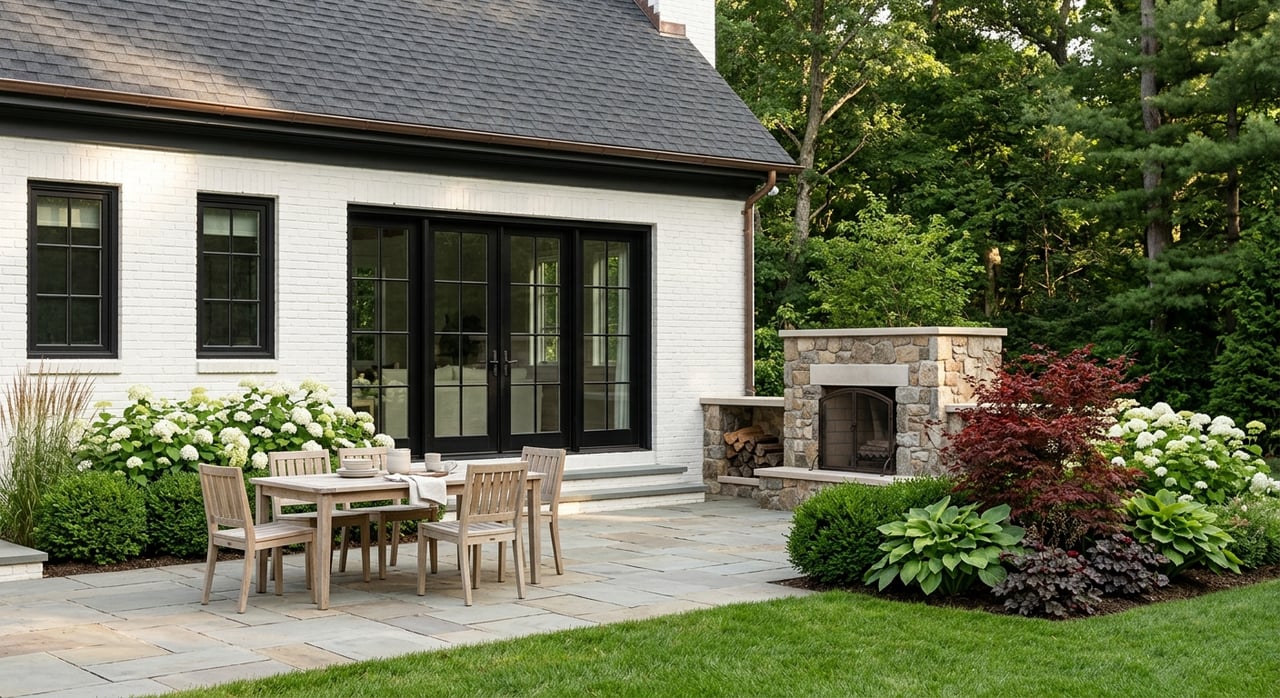
A big part of life in Hastings centers on outdoor access and village-scale amenities. The village facility list includes Draper Park, Fulton Park, Hillside Park, Hillside Woods, and the public library. Together, these places support a lifestyle that feels active without feeling hectic.
MacEachron Waterfront Park is a 1.3-acre riverfront park with picnic areas, playground equipment, and views of the Palisades. The Old Croton Aqueduct State Historic Park adds another major outdoor resource, with a 26-mile linear trail for hiking and biking that is open from sunrise to sunset. Quarry Park and its connecting footpath further expand the village’s trail network and help tie together the waterfront and inland sections of town.
Arts, Shops, and Village Energy
Hastings has a notably active cultural and local-business scene for a village of its size. The Arts Commission promotes public art, Upstream Gallery supports the local artist community, and the library hosts events that bring residents together. That combination gives the village a creative, civic-minded character that many buyers find memorable.
The downtown retail mix also supports everyday convenience and a strong village center. Village materials reference cafes, bakeries, restaurants, salons, homewares, hardware, and plant and gift shops. For buyers who want a place that feels active but still scaled for daily life, Hastings offers a balance that can be hard to find.
What Buyers Should Check Closely
Hastings rewards buyers who look beyond surface charm and pay attention to site-specific details. Because the village includes river views, hills, and older homes, due diligence matters. A property that looks straightforward at first glance may come with extra review if you are planning changes.
A few issues deserve special attention:
- View preservation: The Zoning Board of Appeals handles view-preservation approvals within the View Preservation District.
- Flood exposure: The village directs residents to FEMA flood maps for insurance and hazard review.
- Project approvals: The Planning Board handles site plan, subdivision, steep-slope, view-preservation, and accessory apartment permits.
- Older housing stock: Existing homes can offer character, but they may also involve more property-specific considerations than newer construction would.
For an analytical buyer, Hastings is a market where local knowledge matters. You are not just evaluating the house itself. You are also evaluating location within the village, topography, access, and what may be involved if you want to make future changes.
Is Hastings-on-Hudson Right for You?
Hastings-on-Hudson may be a strong fit if you want a Rivertowns setting with a real village center, Metro-North access, outdoor amenities, and an arts-forward identity. It tends to appeal to buyers who appreciate established homes, scenic surroundings, and a community with a strong local rhythm. It is less about large-scale new development and more about finding the right fit within a mature, highly specific housing landscape.
If you are considering Hastings, the smartest approach is to compare corridors carefully and look at the full picture of each property. Walkability, views, parking, terrain, and approval considerations can all shape long-term satisfaction and value. With the right guidance, you can make a more confident decision about whether this Rivertowns village matches the way you want to live.
If you are thinking about buying or selling in Hastings-on-Hudson or anywhere in the Rivertowns, working with a local advisor who understands both the lifestyle and the financial side of the decision can make the process much clearer. Andrea K. Weiss offers thoughtful, data-aware guidance across Westchester with the calm, hands-on support clients need in competitive markets.
FAQs
What is Hastings-on-Hudson known for?
- Hastings-on-Hudson is known for its Hudson River setting, arts-oriented village identity, walkable downtown core, outdoor spaces, and Metro-North access.
What is the housing market like in Hastings-on-Hudson?
- Hastings is mostly an existing-home market with limited new construction, a high owner-occupancy rate, and relatively high home values compared with many other communities.
How long is the commute from Hastings-on-Hudson to Grand Central?
- Based on the current Hudson Line timetable effective March 29, 2026, some morning trips to Grand Central take about 30 to 40 minutes, depending on the train and stop pattern.
What should buyers review before purchasing in Hastings-on-Hudson?
- Buyers should pay close attention to view-preservation rules, flood exposure, topography, parking, and whether future property changes may require Planning Board or Zoning Board review.
Which parts of Hastings-on-Hudson feel most different?
- The most useful way to compare the village is by corridor: the walkable downtown core, the riverfront and Quarry corridor, and the more wooded Hillside and Englewood side.
Does Hastings-on-Hudson have good outdoor amenities?
- Yes. Village amenities include MacEachron Waterfront Park, Quarry Park, Hillside Park, Hillside Woods, Draper Park, Fulton Park, and access to the Old Croton Aqueduct State Historic Park.