
Wondering what it really takes to buy a home in Tarrytown? If you are drawn to the Hudson River setting, commuter convenience, and historic village feel, you are not alone. Tarrytown offers a distinctive mix of lifestyle and housing options, but it also asks buyers to weigh tradeoffs carefully. This guide will help you focus on the factors that matter most before you make a move. Let’s dive in.
Why Tarrytown Stands Out
Tarrytown is an historic Hudson River village on the east bank of the Hudson, with a setting shaped by hills, river views, and a walkable downtown. Village materials describe a lively center with dining, shopping, and entertainment, plus easy access from the train station, though the walk into town is uphill.
That layout creates an important question for buyers: what matters more to you, convenience or setting? Homes closer to the station and downtown may offer easier daily routines, while hillside locations may offer more residential feel and better views, often with less immediate walkability.
Understand Tarrytown’s Cost Profile
Tarrytown is a relatively high-cost market, and your budget should go beyond just the purchase price. According to recent Census data, the median value of owner-occupied homes is $685,300, median gross rent is $2,121, and median monthly owner costs with a mortgage are $4,000 or more.
Those numbers matter because carrying costs can shape your comfort level long after closing. If you are comparing Tarrytown with other Westchester locations, look closely at monthly expenses, taxes, maintenance, and any property-specific costs before deciding what feels affordable.
Expect a Competitive Market
Recent housing data points to limited supply and meaningful competition, even though different platforms measure the market differently. Redfin reported a March 2026 median sale price of $542,500, 30 median days on market, and a very competitive environment with many homes receiving multiple offers.
At the same time, Zillow reported an average home value of $850,946 as of April 30, 2026, with 28 homes for sale and 12 new listings. Realtor.com also described Tarrytown as a seller’s market in March 2026, with median days on market of 35 and a sale-to-list ratio of 101 percent.
The takeaway is simple: if you find the right property, you may need to act quickly and make decisions with confidence. In a market like this, preparation matters just as much as enthusiasm.
Compare Property Types Carefully
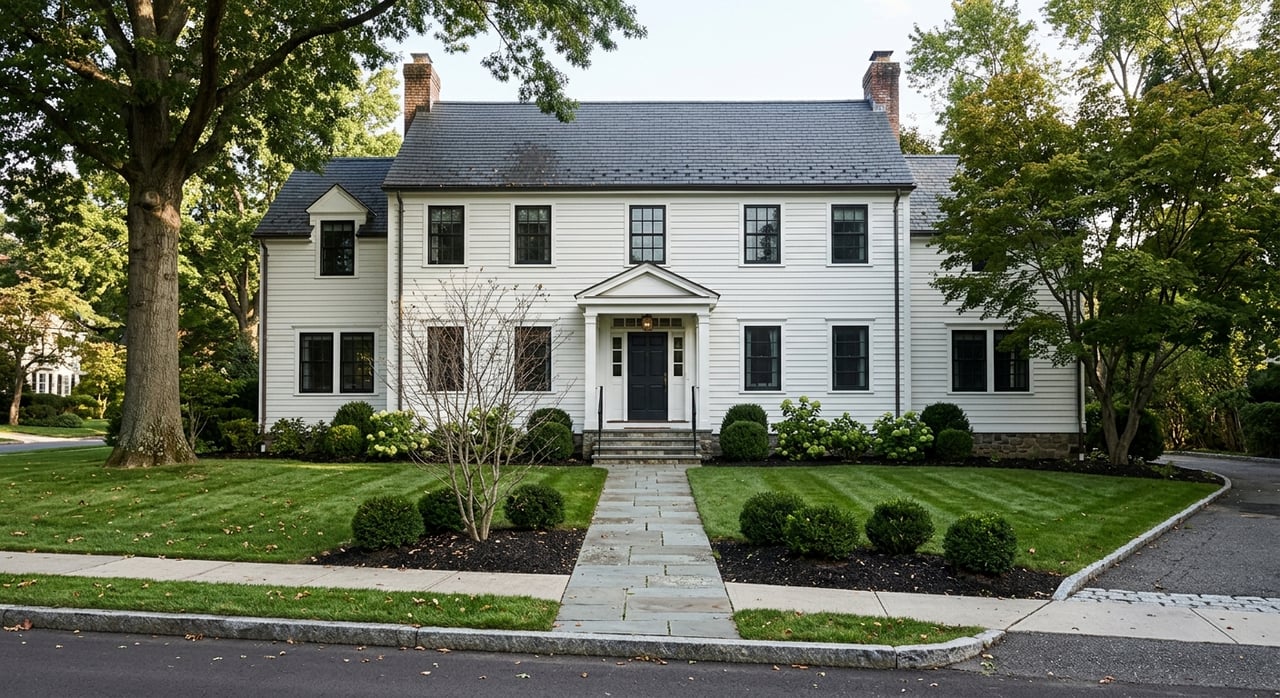
One of Tarrytown’s strengths is its varied housing stock. Village planning documents describe a mix that includes single-family homes, condominium developments, and higher-density buildings near the waterfront, along with larger developments such as Hudson Harbor and Greystone on Hudson.
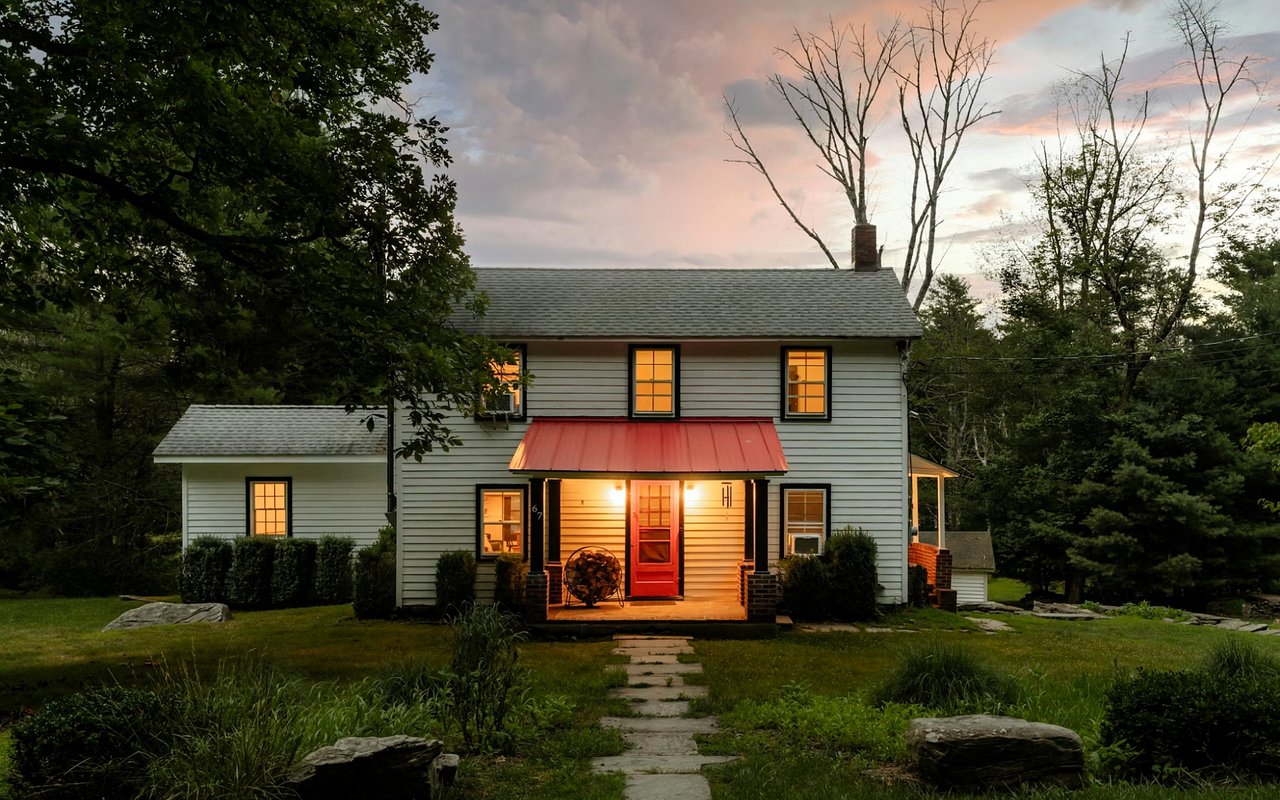
This variety means you should compare homes based on more than size and price. An older detached home may offer character and privacy but require more upkeep, while a condo or newer development may offer a different maintenance profile, parking setup, and lifestyle rhythm.
Older Homes vs. Newer Options
Tarrytown’s historic character is a big part of its appeal. The village’s planning materials highlight a 19th-century street grid and architecture that support a more walkable, urban-scale feel than many suburban settings in Westchester.
Older homes can offer charm and architectural detail, but they may also come with renovation needs or systems that require closer review. Newer or larger-scale developments may offer more convenience, but buyers should still evaluate fees, building rules, parking, and long-term fit.
Historic Review Can Affect Renovations
If you are thinking ahead to future changes, local review rules are worth understanding early. The Architectural Review Board reviews exterior alterations visible from public streets and may require certificates of appropriateness under the Landmark and Historic District Act.
That can affect plans for windows, siding, additions, or visible mechanical work. If you are buying a property for its renovation potential, make sure you understand what may require extra review time or design changes.
Think Through Commute and Daily Access
For many buyers, transit access is one of Tarrytown’s biggest draws. The Tarrytown station is on Metro-North’s Hudson Line and offers ticket machines, restrooms, and connections to Bee-Line and Hudson Link service.
The village also notes that downtown parking includes on-street parking, several municipal lots, and commuter parking near the station. That makes location especially important if your routine depends on commuting into Manhattan or reducing everyday car use.
Walkability vs. Parking
Two homes with similar square footage can live very differently in Tarrytown. A property near the station or Main Street may offer easier walking access to transit, restaurants, and services, while a home farther uphill may depend more on parking and driving.
Neither option is automatically better. The right fit depends on how you live day to day, how often you use the train, and how much convenience you want built into your location.
Watch Infrastructure and Long-Term Appeal
Village projects can also shape how an area feels over time. Tarrytown is advancing the RiverWalk Connection Project to improve trail connections and pedestrian linkage toward the station and Sleepy Hollow.
The village is also pursuing Downtown Streetscape Improvements aimed at a more pedestrian-friendly, ADA-compliant downtown, including sidewalk replacement and a safer Main and White intersection. For buyers, these projects support long-term livability and can be useful context when evaluating location within the village.
Make Flood Risk Part of Due Diligence
In a river village, flood exposure deserves close attention. Tarrytown’s older Comprehensive Plan identified the Hudson River shoreline as Zone A, with some inland areas historically in Zone B, though buyers should always verify current conditions by exact address.
This is not something to estimate from a map in your head or from a general neighborhood description. FEMA explains that areas with a 1 percent annual flood chance carry at least a one-in-four chance of flooding over a 30-year mortgage, which is why address-level review matters.
What to Check Before You Buy
If you are considering a home near the waterfront or in a lower-lying area, take a close look at:
- The current FEMA flood map for the exact property
- Insurance requirements and likely premium costs
- Site drainage and grading
- Basement condition and signs of past moisture
- Elevation and location relative to nearby streets and the river
Tarrytown is also actively working on climate planning. The village says it adopted a Climate Action Plan in 2024 and has moved into a Climate Adaptation Plan process, with a draft presented to the Mayor and Trustees on April 15, 2026.
Confirm School Assignment by Address
If school assignment matters to your move, do not assume based on a listing description or general location. The Public Schools of the Tarrytowns serve Tarrytown and Sleepy Hollow and use a Princeton Plan, while the village website also maintains separate enrollment links for both the Tarrytown Union Free School District and Irvington Union Free School District for the South End of Tarrytown.
That means district assignment can be highly address-specific. Before you make an offer, confirm the exact school assignment directly through the appropriate district resources.
Focus on Fit, Not Just Features
Tarrytown can be an excellent fit if you want a commuter-friendly Hudson River village with a walkable center, older character, and a mix of housing choices. But it works best when you go in with a clear understanding of the tradeoffs: parking, preservation rules, carrying costs, flood exposure, and competition.
From a buyer’s perspective, the smartest approach is to compare homes through both a lifestyle lens and a financial one. In Tarrytown, location inside the village often matters just as much as the house itself.
If you are considering a move to Tarrytown or comparing it with other Westchester communities, Andrea K. Weiss can help you evaluate the tradeoffs, understand the numbers, and move forward with clarity.
FAQs
What should buyers know about home prices in Tarrytown?
- Tarrytown is a relatively high-cost market, and buyers should budget for both the purchase price and ongoing monthly carrying costs such as mortgage payments, taxes, maintenance, and insurance.
What makes Tarrytown different from other Westchester villages?
- Tarrytown combines Hudson River views, a hillside setting, a walkable downtown, Metro-North access, historic character, and a wide range of housing types, which creates a different set of tradeoffs than many other suburban markets.
What should buyers check about flood risk in Tarrytown?
- Buyers should review the current FEMA flood map for the exact property, ask about insurance implications, and pay close attention to drainage, elevation, and basement conditions, especially near the waterfront or lower-lying streets.
What should buyers know about historic homes in Tarrytown?
- Homes with historic character may be subject to local review for exterior changes visible from public streets, which can affect renovation timelines and design choices.
What should buyers verify about schools in Tarrytown?
- Buyers should confirm school assignment by exact address because parts of Tarrytown may be linked to different district enrollment paths, and assignment should not be assumed from neighborhood name alone.
What matters most when choosing a location within Tarrytown?
- Many buyers compare walkability to the train and downtown, parking access, proximity to riverfront amenities, flood considerations, and how much day-to-day convenience the location provides.