If you want Hudson River views, a true village center, and a commute that still works for New York City, Dobbs Ferry deserves a closer look. For many buyers, the challenge is finding a place that feels scenic and grounded without feeling remote or inconvenient. Dobbs Ferry stands out because it blends riverfront setting, walkable daily life, outdoor access, and practical transit in one compact Westchester village. Let’s dive in.
Why Dobbs Ferry Feels Different
Dobbs Ferry is a riverfront village on the east shore of the Hudson in southwest Westchester, about 20 miles from Midtown Manhattan. The village describes itself as a rivertown community, and recent Census estimates place the population at 11,513. That scale is part of the appeal.
Instead of feeling spread out, Dobbs Ferry reads as connected and lived-in. The village points to its waterfront park access, the 76-acre Juhring Nature Preserve, tree-lined streets, and walkable downtown as defining features. If you are looking for a place with a clear sense of identity, that combination matters.
The numbers also suggest a stable residential community rather than a highly transient one. The owner-occupied housing rate is 63.9%, the median owner-occupied home value is $765,500, and the median household income is $165,417. Mean travel time to work is 32.7 minutes, which helps explain why the village works for both lifestyle and commute priorities.
Hudson River Setting and Outdoor Access
One of Dobbs Ferry’s biggest advantages is how fully the Hudson is woven into everyday life. Village planning documents note that the Hudson River has shaped local settlement, transportation, and scenic views over time. That river relationship is not just visual. It affects how the village feels.
Waterfront Park Brings the River Closer
Waterfront Park is one of the clearest examples of the local lifestyle. The village describes it as a 10-acre recreation area overlooking the Hudson River with a playground, covered stage, fishing pier, exercise equipment, boat dock, picnic area, and resident kayak storage.
For buyers comparing Westchester communities, this is the kind of amenity that can change your daily routine. You are not just near the river. You have an accessible public space designed to let you use and enjoy it.
Juhring Nature Preserve Adds Quiet Green Space
If you prefer wooded trails and a calmer setting, Juhring Nature Preserve offers a different kind of outdoor experience. The village says the 76-acre preserve is intended for biking, hiking, walking, and passive recreation.
That gives Dobbs Ferry a nice balance. You have waterfront activity on one hand and a more natural, tucked-away option on the other.
Regional Trails Expand Your Options
Dobbs Ferry also connects well to longer trail systems. New York State Parks says the Old Croton Aqueduct trail extends more than 26 miles, has no charge, and includes the park office and Keeper’s House visitor center in Dobbs Ferry.
Nearby regional recreation adds even more flexibility. Rockefeller State Park Preserve in Pleasantville offers year-round access to more than 1,771 acres and 45 miles of carriage roads, along with Hudson River views from Rockwood Hall. For many buyers, that wider network is part of what makes the village feel well placed.
Walkable Downtown and Everyday Convenience
A lot of places claim to be walkable. Dobbs Ferry has actually organized its downtown around that idea. The village’s Downtown Committee says its work supports businesses, programming, and initiatives that make Dobbs Ferry more walkable, inclusive, and accessible.
That planning shows up in how the center functions. Main and Cedar Streets form the heart of local retail and dining, and Westchester County tourism highlights those streets as home to many of the village’s restaurants and shops.
Main and Cedar Create a True Village Center
This matters if you want day-to-day convenience without giving up character. In Dobbs Ferry, the commercial core is not an afterthought or a highway strip. It is part of the village fabric.
The mix of restaurants, shops, and riverfront dining options gives the area energy without making it feel oversized. For buyers who value being able to run errands, grab coffee, meet friends, or head out to dinner without a long drive, that is a real lifestyle benefit.
Parking Supports the Downtown Pattern
Even in a walkable village, parking still matters. Dobbs Ferry maintains four municipal parking lots, metered parking along Main and Cedar Streets, and 294 metered spaces in the business district.
That setup reinforces the village-center model. It supports downtown activity while keeping the core compact and accessible.
Commuting to Manhattan From Dobbs Ferry
For many Westchester buyers, commute time is not the only issue. Reliability, station access, and how smoothly the trip fits into real life also matter. Dobbs Ferry checks several of those boxes.
The Metro-North station is on the Hudson Line, and the village describes the ride to Midtown as about 35 minutes. The village also notes that Dobbs Ferry is about 20 miles from Midtown Manhattan.
A Small Village With a Well-Equipped Station
The station itself is notably well equipped for a small village stop. According to the MTA, it is accessible and includes elevators, a ramp, tactile warning strips, audiovisual passenger information, two ticket machines, restrooms, and Bee-Line bus connections.
That level of infrastructure can make a real difference in your routine. It supports not just commuting, but also flexibility for visitors, reverse commutes, and households with different transit needs.
Can You Live Here With Less Daily Driving?
Many buyers ask whether Dobbs Ferry can support a less car-dependent lifestyle. Based on the village’s downtown design, central station access, and business district layout, the answer is that many daily needs are concentrated in a relatively connected area.
That does not mean every household will use the village the same way. But if you value a place where walking, transit, and local errands can fit together more naturally, Dobbs Ferry has a strong case.
Housing Character in Dobbs Ferry
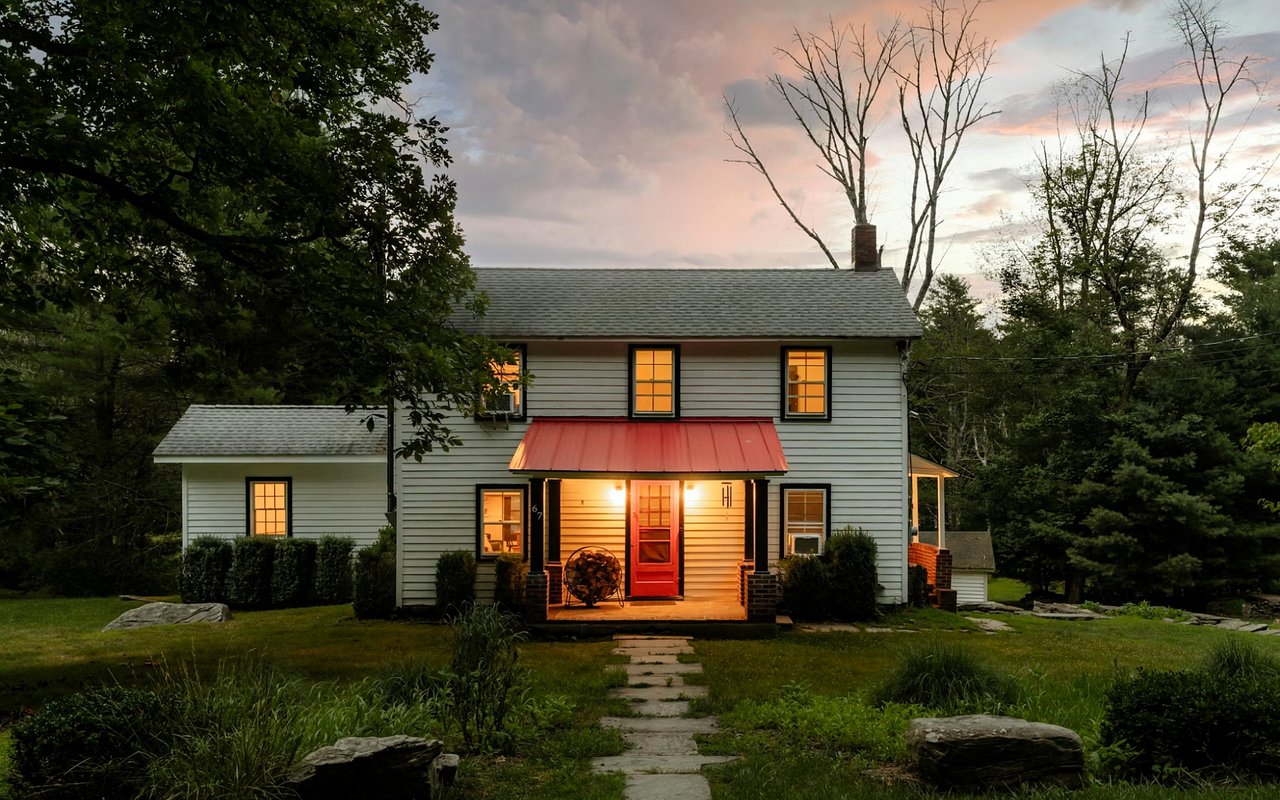
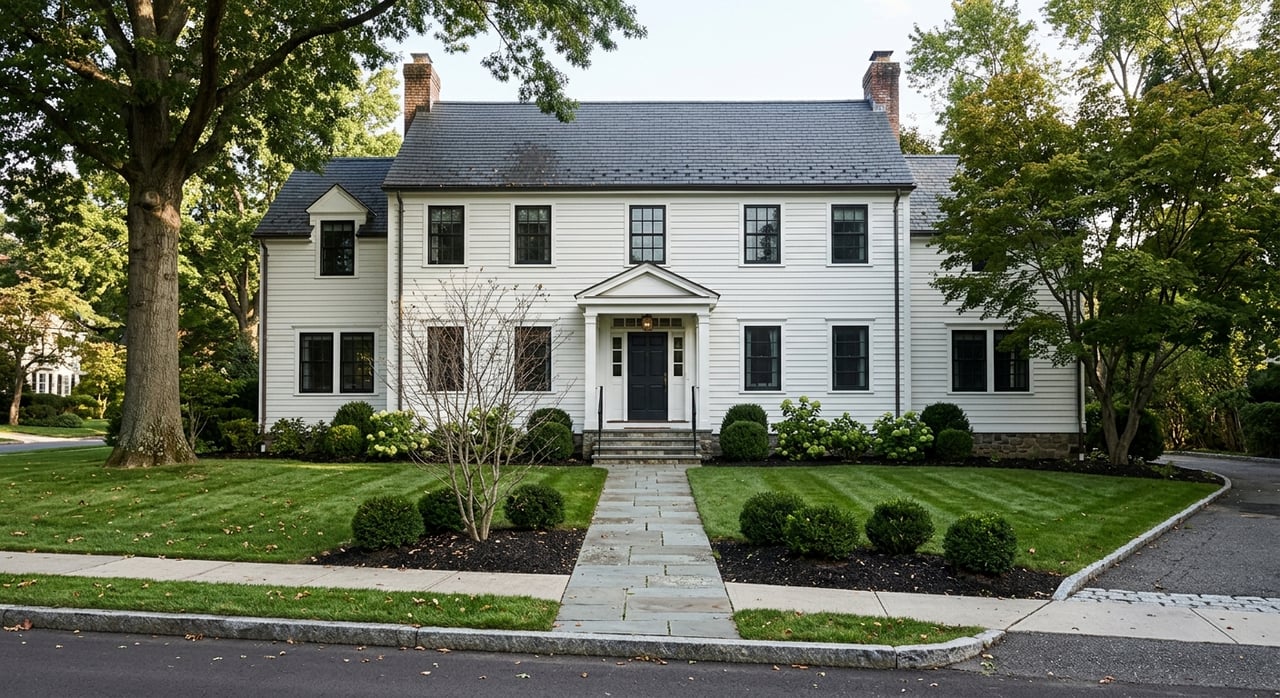
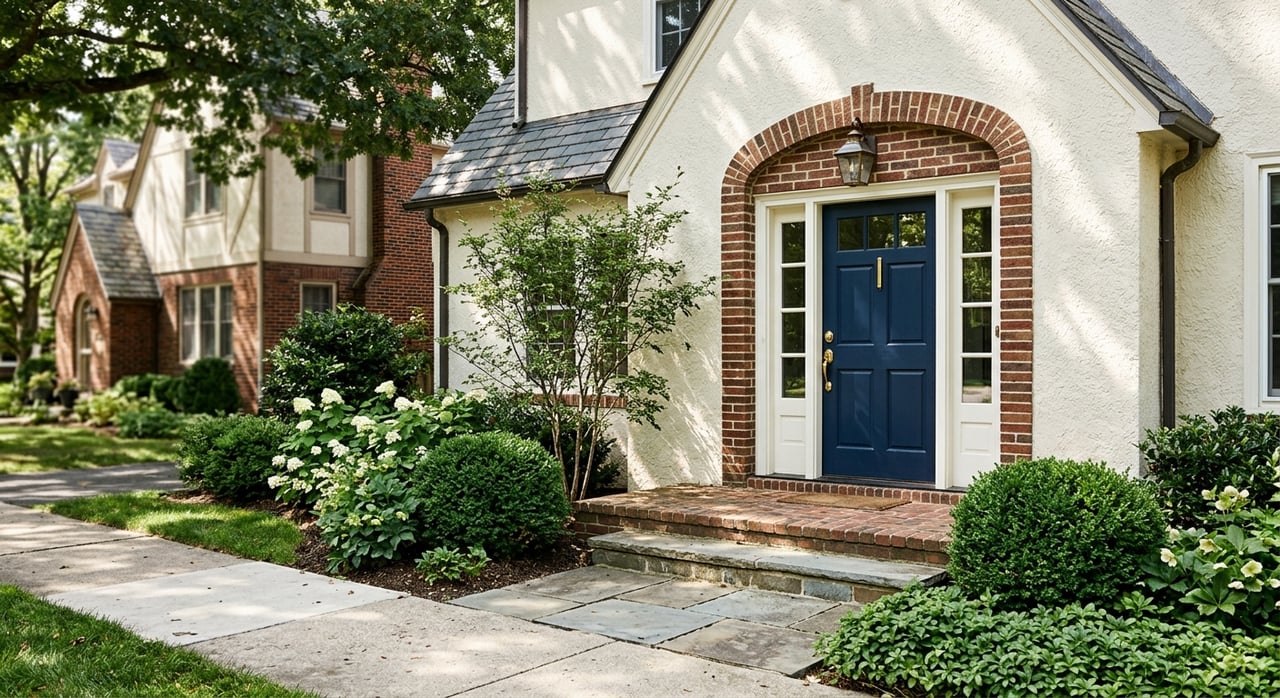
Dobbs Ferry’s housing story is one of variety, not sameness. Village planning records describe colonial and 18th-century structures, substantial collections of 19th-century residences, pattern-book house styles, and a Main Street business district that still retains much of its 19th-century fabric.
A separate village planning document adds that homes feature unique and varied architectural styles. For buyers, that often translates to a streetscape with more visual interest and more distinctions from block to block.
Historic Fabric Shapes the Village Feel
If you are drawn to places with architectural depth, Dobbs Ferry offers that layered character. The housing stock reflects different periods of development rather than one single wave of construction.
That can be especially appealing if you want a home that feels tied to the village’s history. It also helps explain why Dobbs Ferry feels different from more uniform suburban environments.
Housing Is Evolving Carefully
The village is also making room for measured housing change. Dobbs Ferry allows accessory dwelling units in single-family residential zones, and that policy was expanded in 2025.
In April 2025, the village also announced a mixed-income housing partnership for three village-owned downtown sites. Taken together, those moves suggest a village trying to preserve its character while adding flexibility over time.
Who Dobbs Ferry Often Appeals To
Dobbs Ferry can be a strong fit if you want more than one thing from a community. You may want access to Manhattan, but also a place that feels rooted and local when you come home. You may want outdoor space, but not at the cost of convenience.
In practical terms, the village often appeals to buyers looking for:
- A Hudson River setting with real public waterfront access
- A walkable downtown with restaurants, shops, and daily convenience
- Metro-North access that keeps Manhattan within practical reach
- A housing stock with older homes and varied architecture
- A village feel that is scenic but not isolated
That combination is hard to duplicate. It is one reason Dobbs Ferry continues to stand out within the broader River Towns conversation.
What To Consider Before You Buy
As with any move, fit comes down to priorities. If you are considering Dobbs Ferry, it helps to think about how you want to spend your weekdays, weekends, and commute hours.
Ask yourself:
- How important is walkability in your day-to-day routine?
- Do you want direct access to trails, preserves, and riverfront parks?
- Are you drawn to older homes and varied architecture?
- How much does train access factor into your search?
- Do you want a compact village environment rather than a more spread-out suburban layout?
Those questions can help you evaluate not just whether Dobbs Ferry is appealing, but whether it matches the way you actually want to live.
If you are weighing Dobbs Ferry against other Westchester villages, the key is to look beyond broad labels and compare how each place functions in real life. That is where local context becomes especially valuable.
If you are exploring Dobbs Ferry or comparing it with other River Towns and Westchester communities, working with a local advisor can help you evaluate both the lifestyle fit and the housing opportunity with more clarity. To start that conversation, connect with Andrea K. Weiss.
FAQs
How close is Dobbs Ferry to Manhattan?
- Dobbs Ferry is about 20 miles from Midtown Manhattan, and the village describes the Metro-North ride to Midtown as about 35 minutes.
What outdoor recreation does Dobbs Ferry offer?
- Dobbs Ferry offers Waterfront Park, the 76-acre Juhring Nature Preserve, access to the Old Croton Aqueduct trail, and proximity to Rockefeller State Park Preserve.
What is downtown Dobbs Ferry like?
- Downtown Dobbs Ferry centers on Main and Cedar Streets, where the village’s restaurants, shops, and business district create a walkable village-center environment.
What kinds of homes are found in Dobbs Ferry?
- Village planning documents describe a mix of colonial and 18th-century structures, 19th-century residences, pattern-book house styles, and other varied architectural types.
Can you live in Dobbs Ferry without relying on a car every day?
- Many daily destinations are concentrated around the downtown and station area, so some households may find it easier to combine walking, transit, and local errands.
Is Dobbs Ferry adding new housing options?
- Yes. The village expanded its accessory dwelling unit policy in 2025 and announced a mixed-income housing partnership in April 2025 for three village-owned downtown sites.