
By Andrea K. Weiss
Property taxes are one of the first topics I raise with buyers, and the answer changes depending on where in Westchester you’re looking. The number on a listing sheet tells only part of the story. Two similar homes in two different towns can carry very different tax bills, and the reason often comes down to how, and how often, each town reassesses property.
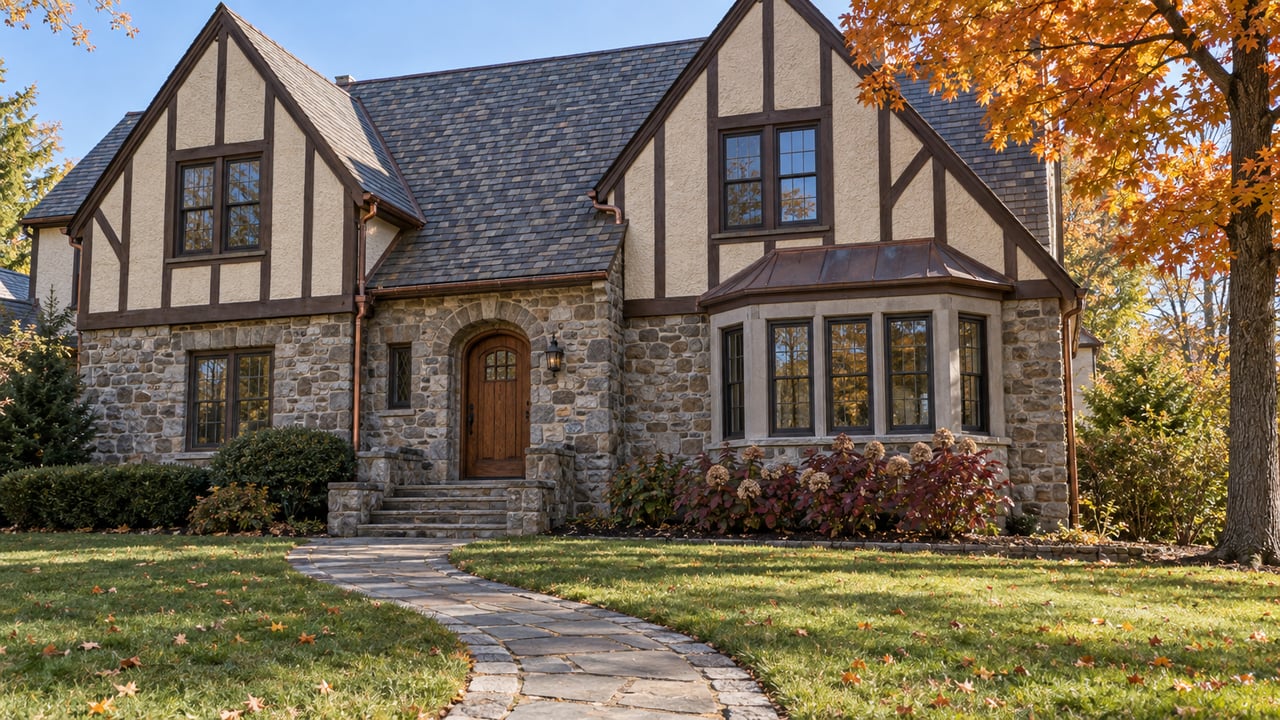
As a Westchester real estate advisor, I want clients to understand these differences before they fall in love with a house, whether it’s a Colonial in Fox Meadow, a Tudor in Edgemont, or a Victorian in one of the River Towns.
Key Takeaways
- Property taxes are treated differently from town to town because each municipality follows its own reassessment schedule.
- Scarsdale reassesses infrequently, while towns like Greenburgh update values more often, so a seller’s bill predicts your own bill differently in each.
- In towns that reassess, your assessment can change when values are updated, even if you haven’t touched the house.
- The most useful comparison between towns is the effective tax rate, meaning the annual tax bill as a share of the home’s market value.
- Programs such as STAR and the grievance process can affect what you pay in any town.
Why Property Taxes Are Treated Differently by Town
New York leaves assessment to each municipality. Some towns update values every few years, some on a longer cycle, and some have gone decades between townwide revaluations. A revaluation brings assessments back in line with current market values. When one happens, the tax rate is typically adjusted so the town collects the same total levy, which means individual bills can rise or fall depending on how a home’s value moved compared with the rest of the town.
That is why a seller’s bill can be a poor predictor of your own. In a town that has recently reassessed, a home’s assessment is close to its market value. In a town that hasn’t, the assessment may sit further from what the house would sell for, and the tax rate is set against that older base. Neither approach is better or worse, but they call for different questions from a buyer.
That is why a seller’s bill can be a poor predictor of your own. In a town that has recently reassessed, a home’s assessment is close to its market value. In a town that hasn’t, the assessment may sit further from what the house would sell for, and the tax rate is set against that older base. Neither approach is better or worse, but they call for different questions from a buyer.
Scarsdale: A Stable Assessment Base
Scarsdale is a coterminous town and village in Westchester County, so the Town of Scarsdale and the Village of Scarsdale share the same boundaries. A homeowner receives bills reflecting Westchester County, the Town, the Village, and the school district, with each taxing body setting its own levy.
Scarsdale reassesses infrequently. Its last village-wide revaluation was in 2016, the first since 1969. A sale on its own doesn’t reset your assessment, so the seller’s bill is a reasonable guide to yours, adjusted for annual levy changes and any improvements added to the roll. It’s still worth asking whether another revaluation is planned.
When I walk Scarsdale clients through a listing, I look at:
- The current assessed value on the Town of Scarsdale assessment roll
- The most recent annual tax bills, which sellers can provide
- Whether any exemptions are currently in place
- How recent improvements, such as an addition or a renovated kitchen, may affect future assessments
Edgemont, the River Towns, and Larchmont: Where Reassessment Matters
Edgemont and the River Towns sit in the Town of Greenburgh, which reassessed in 2016, its first revaluation since 1956, and has updated values more often since. Larchmont is assessed by its own Village assessor. In towns like these, assessments move closer to market value over time, so a seller’s current bill may not predict yours. I recommend asking the local assessor when values were last updated and whether another update is planned.
Buyers in these areas should also:
Buyers in these areas should also:
- Confirm whether the property’s assessment was updated in the most recent cycle
- Compare the tax bill to the home’s market value, not just to the dollar amount on a neighboring listing
- Ask your attorney and lender to review how a possible reassessment could affect your escrow
Comparing Towns on Equal Terms
Because assessment practices vary, comparing tax rates alone can mislead. A town with a low rate and a recent revaluation may have a similar or higher effective burden than a town with a high rate and an older assessment base. Dividing the annual tax bill by the home’s market value gives you a number you can compare across Scarsdale, Edgemont, Larchmont, and the River Towns.
I include the property tax figure in the details for every home I show, so you can set a Quaker Ridge contemporary beside a River Towns Colonial on the same terms.
I include the property tax figure in the details for every home I show, so you can set a Quaker Ridge contemporary beside a River Towns Colonial on the same terms.
What Your Taxes Help Support
Local taxes fund the services that shape everyday life, including road maintenance, sanitation, parks and recreation, and, through the school tax, the district itself. In Scarsdale, residents enjoy the Weinberg Nature Center, the Scarsdale Public Library, the Scarsdale Pool Park, a walkable village center, and the Metro-North Harlem Line station that puts Grand Central about 35 minutes away. Every community on your list has its own version of this, and seeing it firsthand puts the tax bill in context.
Budgeting for Property Taxes as a Buyer
Plan for taxes as a recurring monthly cost. Most lenders collect them through an escrow account, so your monthly payment typically includes principal, interest, property taxes, and homeowners insurance.
Steps I recommend:
Steps I recommend:
- Ask your lender how they will calculate your escrow
- Review the last two or three years of tax bills for any home you pursue
- In a town that reassesses, ask when values were last updated and build in a cushion
- Confirm with your attorney how taxes will be adjusted at closing
Exemptions and the Grievance Process
New York’s STAR program can reduce the tax burden for eligible primary residences. Buyers who purchase a home that previously carried a STAR exemption generally need to register with the state for the credit, so I tell clients to handle this soon after closing. Eligibility depends on income and ownership, so check current rules with the New York State Department of Taxation and Finance.
If you believe your assessment is too high, you can file a grievance with your town’s Board of Assessment Review. In recent years, Scarsdale’s Grievance Day has fallen in June, but dates vary by municipality, so confirm the calendar for the town you’re buying in. This matters most after a revaluation, when assessments change. Comparable sales and a recent appraisal strengthen a case.
If you believe your assessment is too high, you can file a grievance with your town’s Board of Assessment Review. In recent years, Scarsdale’s Grievance Day has fallen in June, but dates vary by municipality, so confirm the calendar for the town you’re buying in. This matters most after a revaluation, when assessments change. Comparable sales and a recent appraisal strengthen a case.
- Filing deadlines are firm, so mark them early
- Comparable sales from your neighborhood carry the most weight
- A recent purchase price is a useful reference point
- Many homeowners consult a tax professional or attorney
Frequently Asked Questions
Why are property taxes different from town to town?
Each municipality sets its own reassessment schedule, and the tax rate is calculated against the town’s assessment base. Towns that update values often and towns that go decades between revaluations produce very different rates and bills.
Does buying a home trigger a reassessment?
Generally, a sale on its own doesn’t. Assessments change through a revaluation or when improvements are added to the roll. In towns that update values more often, your bill can change significantly after a reassessment.
Who do I pay property taxes to in Scarsdale?
Your bills come from Westchester County, the Town of Scarsdale, the Village of Scarsdale, and the school district. The Village Treasurer’s office can confirm current payment details.
Are property taxes included in my mortgage payment?
For most buyers, yes. Lenders usually collect taxes through an escrow account and pay the bills on your behalf.
Can I challenge my assessment?
Yes. You can file a grievance with your town during its annual window. I recommend gathering comparable sales before you file.
How are taxes handled at closing?
Your attorney will adjust the current tax period between you and the seller so each party pays for their time of ownership.
Talk Property Taxes with Andrea K. Weiss
If you’re weighing a purchase in Scarsdale, Edgemont, Larchmont, or the River Towns, I would be glad to review the tax history on the homes you’re considering and help you build a realistic budget. As a global real estate advisor serving Scarsdale and the larger Westchester community, I bring local knowledge to every conversation. You can reach out to Andrea K. Weiss and let me know what you’re looking for.