By Andrea Weiss
A home library is one of those features that buyers in Scarsdale dream about long before they actually have the space for it, and I find that the homes here, with their generous dens, bonus rooms, and quiet alcoves off the main living areas, lend themselves beautifully to the idea.
The trick to figuring out how to build a home library that you genuinely love living with is resisting the urge to copy a picture from a design magazine and instead starting from the way you actually read and the space you actually have.
Key Takeaways
- Location should come before style: Choosing where your library will live, whether a dedicated room, a living room wall, or a converted attic, shapes every other decision that follows
- Built-in shelving remains the gold standard: Floor-to-ceiling built-ins maximize storage and give a room a finished, intentional quality that freestanding furniture rarely achieves
- Organization should reflect how you actually read: A system that looks beautiful but is impossible to navigate defeats the entire purpose of building the library in the first place
- How to build a home library: The best home libraries balance genuine function with the small design details, lighting, seating, and styling that make a room feel like somewhere you actually want to spend time
Choosing the Right Spot in Your Home
Before any shelving goes up, the single most important decision in how to build a home library is choosing the location, since the space itself will shape every other design decision that follows.
- Repurposing underused rooms: A finished attic, a rarely used formal dining room, or a quiet alcove off a main living space can all become a genuine library, especially in older Scarsdale homes where angled ceilings and recessed nooks already create a natural sense of enclosure
- Building around existing furniture: A living room is one of the most practical choices for a home library, since the comfortable seating is already in place and bookshelves can simply be added along existing wall space without requiring an entirely separate room
- Considering natural light: A library positioned near a window, skylight, or glass door brings in natural light that makes long reading sessions far more comfortable
Once the location is settled, every subsequent decision, from shelving style to seating, becomes considerably easier because the room's natural constraints and opportunities are already clear.
Shelving That Works for Your Space and Your Collection
Shelving is the structural backbone of any home library, and the right choice depends heavily on your space, your budget, and how permanent you want the solution to be.
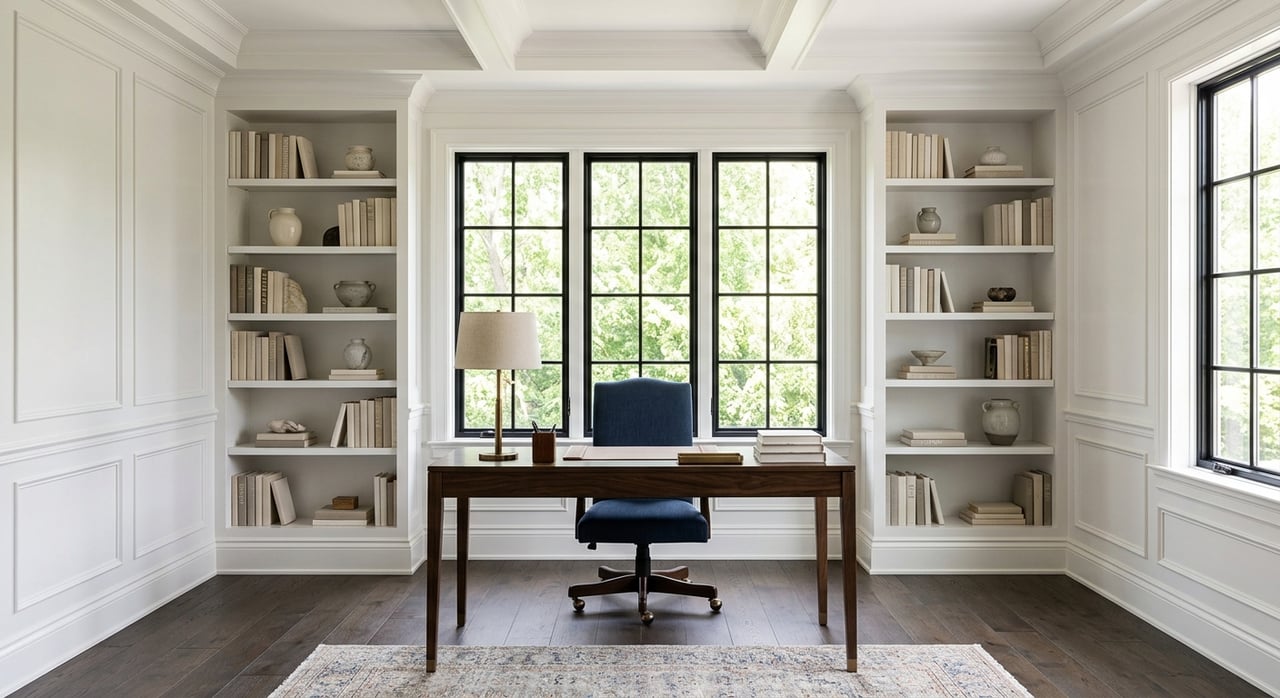
- Built-in shelving for a finished look: Floor-to-ceiling built-ins give a room an intentional, polished quality and can be custom designed to work with odd angles, awkward alcoves, or uneven walls rather than fighting against them
- Modular and floating shelving for flexibility: For collections that are still growing or for homeowners who are not ready to commit to a permanent built-in, modular shelving units and floating shelves offer real storage capacity
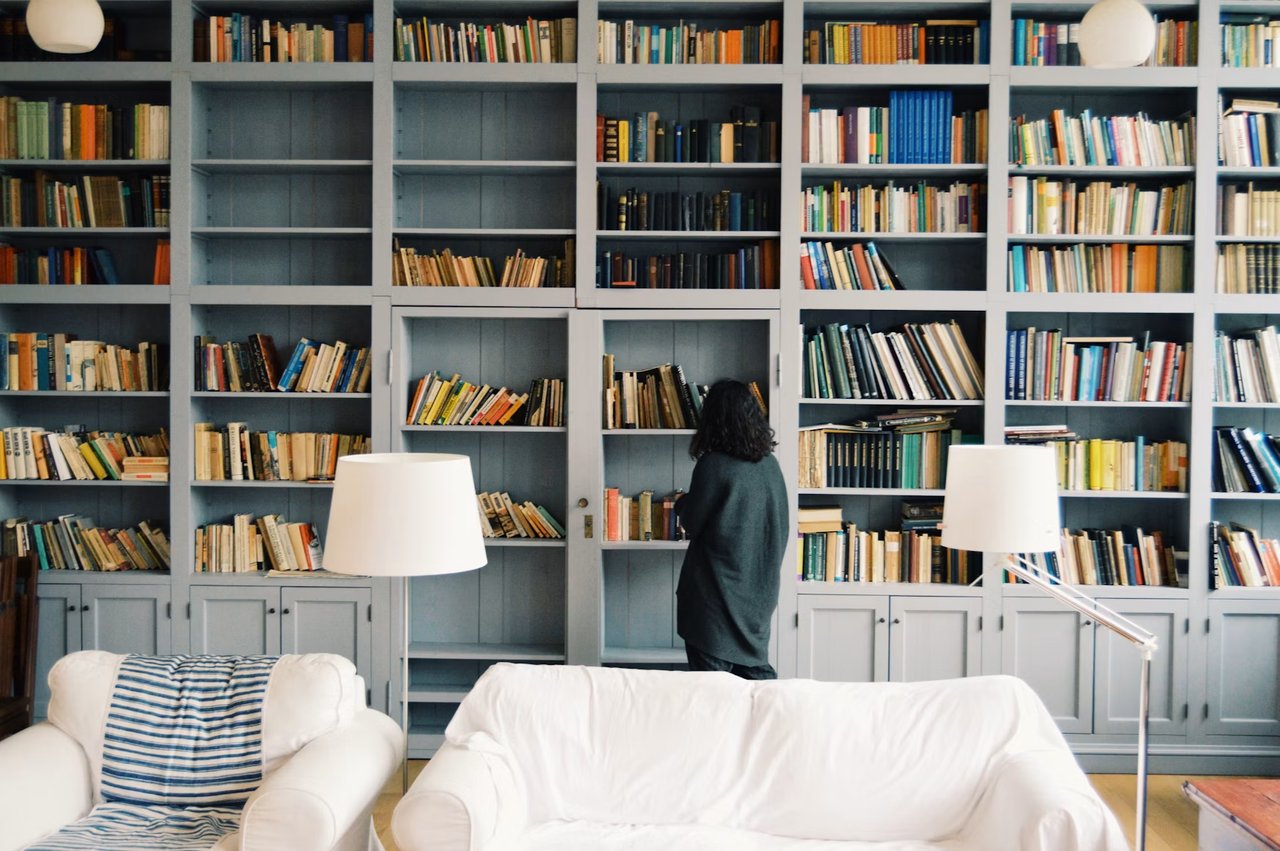
- Thinking vertically to maximize storage: Extending shelving all the way to the ceiling rather than stopping at standard height significantly increases storage capacity without requiring any additional floor space
Whichever shelving approach you choose, the goal is a system that can comfortably hold your current collection while leaving genuine room to grow as your shelves inevitably fill up faster than expected.
Organizing Books in a Way You'll Actually Use
A library that looks beautiful but is impossible to navigate ultimately defeats its own purpose, which is why the best organizational systems reflect how you actually use your collection rather than an idealized version of how a library should look.
- Alphabetical by author for larger collections: This traditional approach works particularly well when you already know what you are looking for and have a substantial number of titles to organize
- Genre or subject groupings for browsers: If you tend to choose your next read by mood or topic rather than a specific title in mind, organizing by genre or subject makes browsing significantly easier than an alphabetical system would
- Dedicated zones for mixed collections: For households with a combination of books already read, books waiting to be read, and reference material consulted regularly, dividing shelving into distinct zones, including a visible "to be read" section, keeps the collection functional without letting any one category take over
The right organizational system is ultimately a personal one, and the best approach is almost always the one that matches how you naturally think about and reach for your books, rather than the most visually striking option available.
FAQs
Do I need a dedicated room to build a meaningful home library?
Not at all, and some of the most successful home libraries occupy a single wall, a window alcove, or even a hallway, rather than an entire room. A great reading chair, good lighting, a floating shelf, and a small table for a cup of tea or coffee are genuinely all the space required to create a library that feels complete and inviting.
Is organizing books by color a good idea, or just a design trend?
Organizing by color is more of a visual design choice than a functional one, and it works particularly well for readers who remember a book by its cover more easily than by title or author. For most mixed collections, pairing a color-based display with a separate, simple catalog or list of what you own helps preserve the visual appeal of color organization without sacrificing the ability to actually find a specific book later.
What design details make the biggest difference in how a home library feels?
Small details, including wall color, an area rug, in-shelf or accent lighting, and a few well-chosen display objects interspersed among the books, are what transform a functional bookshelf into a room you genuinely want to spend time in. A library ladder, while not strictly necessary for most home collections, also adds both genuine function for reaching higher shelves and a distinctive, classic visual element that many homeowners find worth the investment.
Contact Andrea Weiss Today
A genuinely well-built home library is one of the most personal and rewarding spaces a homeowner can create, and I love helping clients find the kind of home, whether it has a dedicated den, a sun-filled alcove, or simply an underused wall, that gives them the right foundation to bring that vision to life.
Reach out to me, Andrea Weiss, and let's talk about finding the home where your next favorite room can finally take shape.